
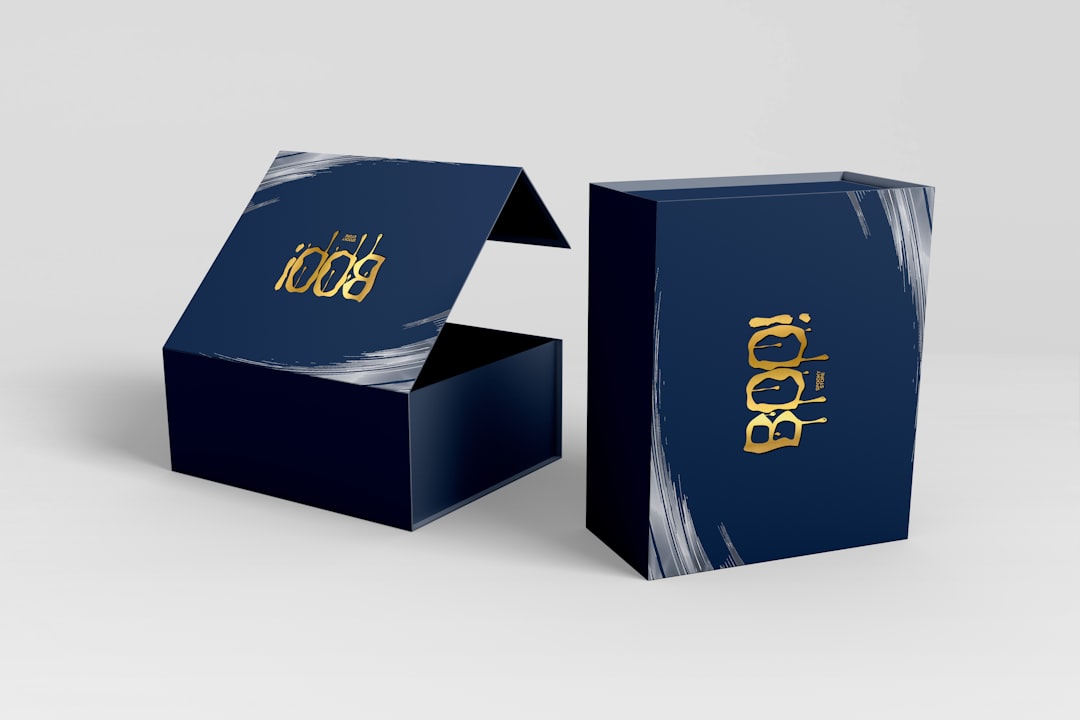

Private-label automotive LED programs allow distributors and brands to sell selected bulb models under their own identity. A successful program involves more than placing a logo on a box. Product configuration, samples, artwork, quality control and repeat-order consistency all need to be managed as one process.
Step 1: Define the target market
Start with the vehicles, applications and sales channels you want to serve. Decide whether the range is aimed at repair shops, wholesalers, retail, e-commerce or another channel. This determines which bulb families and packaging formats deserve priority.
Step 2: Select the initial models
Choose a manageable first assortment based on demand. Depending on the market, this may include headlight and fog-light families such as H7, H11 or 9005/HB3 plus signal and interior formats such as T10/W5W, BA15S and BAY15D.
Step 3: Freeze product specifications
For each SKU, document voltage, dimensions, LED configuration, color requirement, packaging quantity and other agreed characteristics. Avoid changing the product after packaging artwork has been approved unless all related documents are updated.
Step 4: Evaluate samples
Test fit, electrical behavior, brightness consistency, workmanship and thermal performance where relevant. Record the approved sample or revision so that mass production can be compared against it.
Step 5: Develop branding and packaging
Provide vector logo files and clear brand guidelines. Confirm box dimensions, barcode, model number, voltage, language and carton marks. Keep a final artwork revision and check a production proof before large-scale printing.
Step 6: Confirm commercial terms
Agree on quantity by SKU, MOQ, pricing, production lead time, payment terms, packaging cost and shipping arrangement. If several models are combined, confirm the packing list structure before production.
Step 7: Define quality control
Agree on the inspection criteria that matter to your business. These may include function, appearance, dimensions, packaging, labeling and sample testing. Private-label products should also be checked carefully for artwork and SKU accuracy.
Step 8: Prepare for repeat orders
Keep product specifications and artwork under revision control. When reordering, reference the approved version and note any changes explicitly. This reduces variation as the product range grows.
Questions for a private-label supplier
See the packaging and labeling guide for artwork checks, the sample approval guide for validation, and the pre-shipment inspection checklist for repeat-order consistency.
FAQ: Private Label Automotive LED Bulbs
What is the first step in a private-label LED bulb program?
Define the target market and sales channel, then select a manageable set of bulb models before investing in custom packaging and branding.
What should be approved before mass production?
Buyers should approve the product specification, sample, packaging artwork, barcode or SKU data and agreed inspection criteria.
How can repeat orders stay consistent?
Use version-controlled specifications and artwork, reference the approved sample, and document any changes before each production run.
- Which existing models can be branded?
- What are the product and packaging MOQs?
- What artwork formats are required?
- How are samples approved?
- How are production changes documented?
Explore available LEDVEDA bulb models and review our Custom OEM automotive LED service. When you have a model list, target quantity and branding requirements, contact us to discuss the project.