
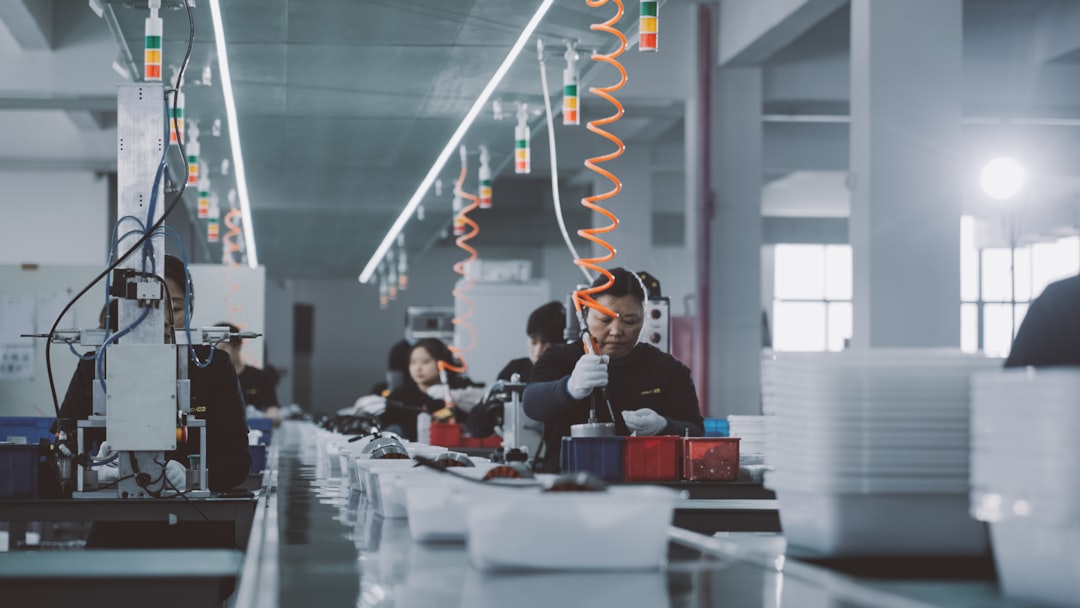

Samples are one of the most useful tools in automotive LED sourcing, but only when buyers test them against a clear purchase specification. A sample order should answer specific questions about fit, electrical behavior, light output, construction and packaging before a larger commitment is made.
Define what the sample must prove
Before contacting a supplier, list the models and applications you are evaluating. Include bulb type, voltage, preferred color, quantity and any special requirements. If the project is private label or OEM, separate product-performance requirements from packaging and branding requirements.
Ask for the exact production configuration
A sample is useful only if it represents the configuration you may buy. Confirm LED chip type, driver design, base, dimensions, voltage and other important specifications. If the supplier offers several versions under the same bulb family, record the exact version being tested.
Test fit and installation
Check mechanical dimensions and connector compatibility on the intended application. Headlight and fog-light products may have space limitations around housings, dust covers or heat sinks. Signal and interior bulbs should also be checked for base fit, polarity and clearance.
Test electrical behavior
Operate the sample under the agreed voltage conditions and observe startup, flicker, current stability and heat. If CANBUS compatibility or another vehicle-specific behavior is important, define the test vehicle or electrical environment instead of relying only on a general claim.
Compare multiple samples
For a serious wholesale program, testing more than one piece is useful. Compare brightness, color consistency, workmanship and thermal behavior. A single perfect sample cannot demonstrate production consistency, so buyers should also ask how the factory controls mass-production variation.
Record results in a sample approval sheet
Create a simple record with supplier, model, date, test conditions, photos, measurements, observations and approval status. If changes are requested, assign a new revision. This becomes the reference for purchase orders and pre-shipment inspections.
Move from sample to pilot order
When the sample passes, a pilot order can reduce risk before a larger rollout. Confirm final specifications, packaging, labeling, quantity, lead time and inspection criteria in writing. For OEM programs, approve artwork and branding separately.
Questions buyers should send with a sample request
FAQ: Automotive LED Bulb Samples
How many samples should a buyer test?
There is no universal number. Serious B2B buyers usually benefit from testing more than one unit so they can compare fit, brightness, workmanship and consistency rather than judging a single piece.
Should the sample match the final production version?
Yes. Buyers should confirm that the tested sample represents the same electrical, mechanical and packaging specification planned for production.
What happens after sample approval?
The approved specification should be recorded, then referenced during the pilot order, production and pre-shipment inspection.
- Which exact model and specification will be supplied?
- Is the sample identical to the planned production version?
- What customization is available?
- What information is needed for a quotation?
- How will the approved sample be referenced during production?
Browse LEDVEDA automotive LED products or use our OEM service for custom requirements. You can also contact us with the bulb models and sample quantities you want to evaluate.