

(A Guide for Auto Parts Buyers and Industry Professionals)
Introduction
This article provides technology context for automotive lighting buyers by outlining several advanced headlamp architectures. These integrated systems are different from replacement LED bulbs. LEDVEDA’s current website catalog is focused primarily on replacement bulb products, so the discussion below should not be read as a claim that LEDVEDA supplies complete Matrix, LCD, DLP or µAFS headlamp systems.
Why Adaptive Headlamp Systems Matter to Automotive Buyers
Traditional headlamp systems generally provide a limited set of fixed beam functions, while newer adaptive systems can vary light distribution using controllable optical and electronic elements. For procurement teams, the important point is not a blanket performance claim but the system architecture, control strategy, vehicle integration and validation evidence required for the intended application.
For procurement teams, the important distinction is between replacement LED bulbs and complete adaptive headlamp systems. The latter can involve optical modules, control electronics, software and vehicle-level validation. Buyers should define which product category they actually need before comparing suppliers or requesting quotations.
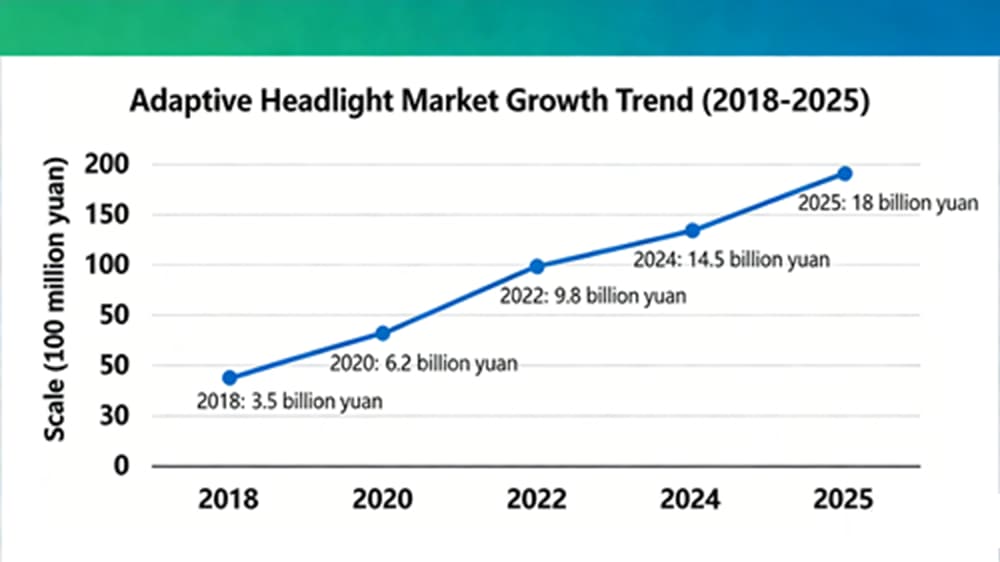
Figure 1: Illustrative adaptive-headlamp technology graphic. Verify current market data independently before using any forecast for procurement or investment decisions.
Key Adaptive and High-Resolution Headlamp Architectures
Advanced headlamp systems can use multiple controllable light-emitting or light-modulating elements to vary beam distribution dynamically. The sections below summarize several architectures buyers may encounter. These systems are distinct from replacement products such as an H4 LED headlight bulb, so procurement requirements and supplier capabilities should be evaluated separately.
1. LED Matrix Systems
Matrix LED systems use multiple controllable light-emitting elements to create adaptive lighting functions. Buyers evaluating complete systems should assess the specific architecture, control electronics, software, validation requirements and supplier documentation. This section is industry context and does not represent a claim that LEDVEDA currently supplies complete Matrix LED systems.
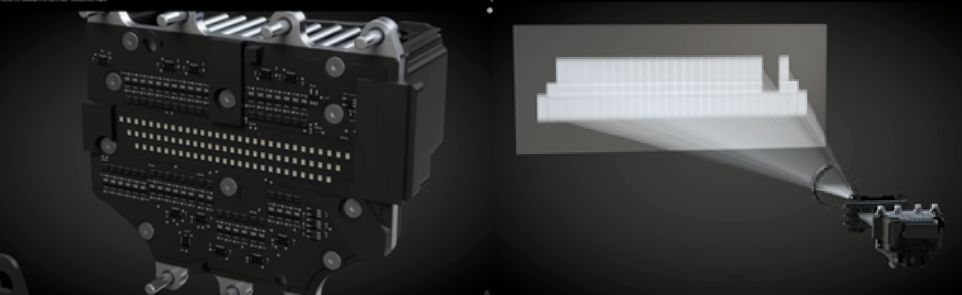
Figure 2 Example of LED Matrix Intelligent Headlights (Source: HELLA Official Website)
2. LCD-Based Headlamp Systems
LCD-based headlamp architectures use liquid-crystal elements to modulate light and create detailed beam patterns. Depending on the system, this can support high-resolution adaptive functions. Buyers should evaluate the actual optical architecture, automotive-grade component supply, thermal management, control electronics and validation requirements for the specific program rather than relying on generic capability claims.
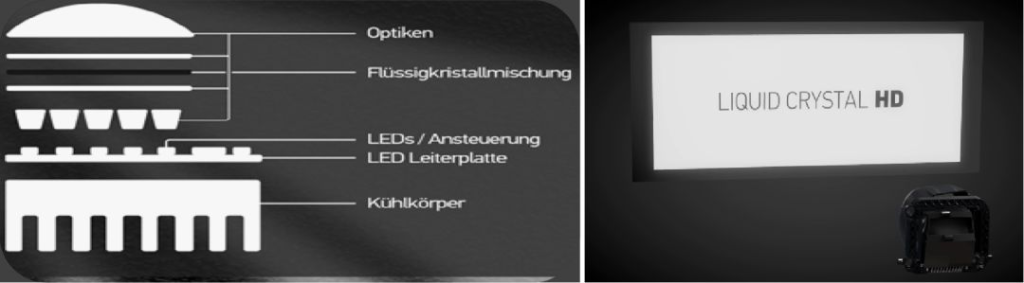
Figure 3 Example of LCD Smart Headlights (Image source: HELLA official website)
3. The Projector on Wheels: DLP Technology
DLP-based headlamp systems use digital micromirror technology to create high-resolution light patterns. Their architecture, pixel capability, projected functions, cost and vehicle integration vary by system. Buyers evaluating this category should request current supplier specifications, validation data and project requirements rather than treating a general technology description as a product specification.
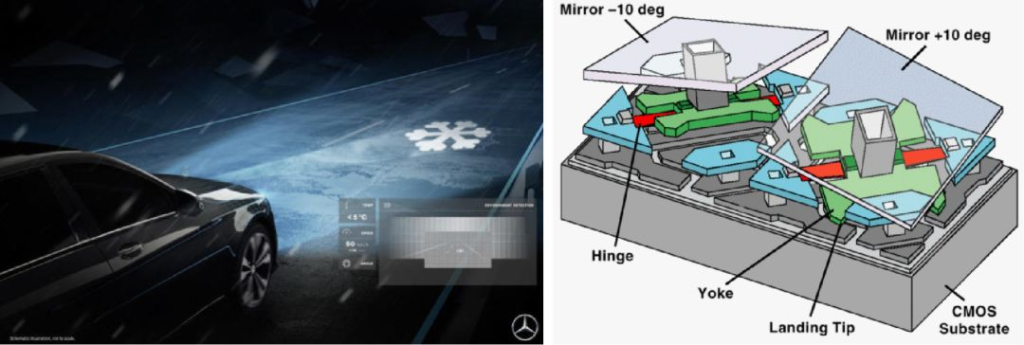
Figure 4 DLP-style intelligent headlight example (Image source: BENZ and TI official websites)
4. The Integrated Marvel: µAFS (Pixel LED Arrays)
Pixel-LED array architectures integrate multiple addressable light-emitting elements into a compact source. Exact pixel count, efficiency, contrast, module size and control requirements depend on the specific component and system. Procurement teams should compare current supplier documentation and validation requirements instead of assuming that general technology advantages apply to every implementation.

Figure 5 EVIYOS-µAFS Type Intelligent Headlight Example (Image Source: OSRAM)
Why This Matters for Your Business
A buyer sourcing replacement bulbs such as 3157 products should keep that project separate from procurement of complete intelligent headlamp systems. Integrated architectures may combine multiple optical and electronic technologies, but the appropriate solution depends on the vehicle program and supplier capability. For LEDVEDA replacement-bulb projects, focus the RFQ on the exact bulb specification, application, samples and commercial requirements.
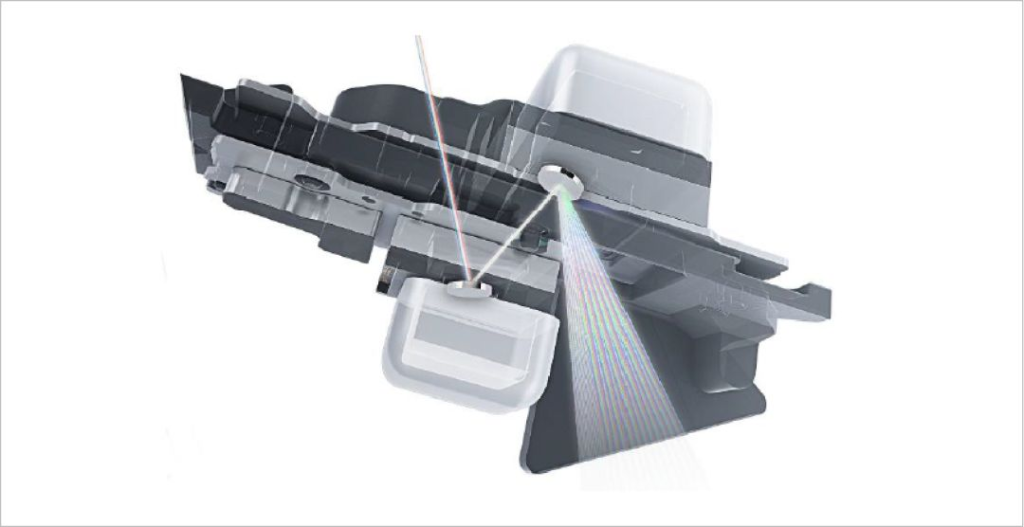
Figure 6 Laser scanning projection technology schematic (Image source: BOSCH official website)
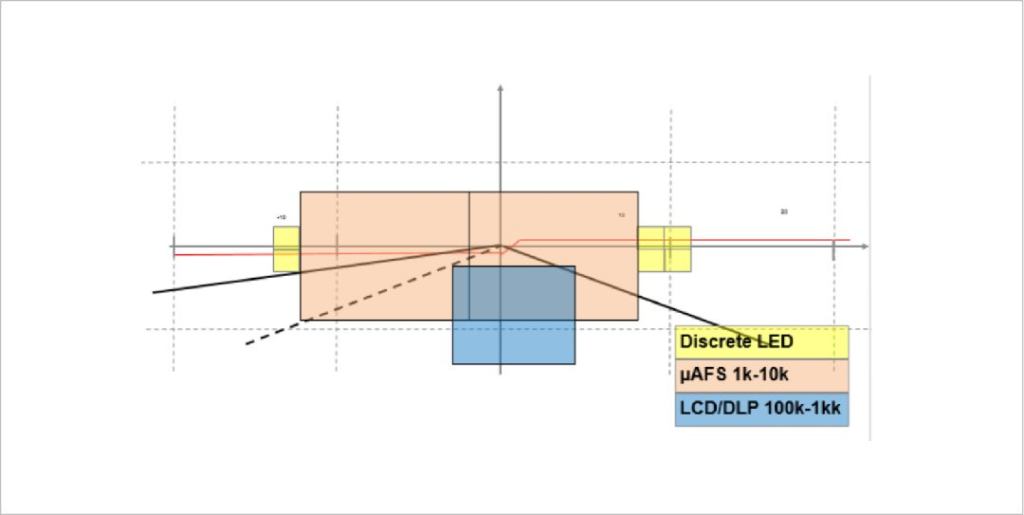
Figure 7 Organic Combination of Several Technologies
Conclusion and Key Takeaway
Intelligent and multi-pixel headlamp technologies are an important area of automotive lighting development, but adoption varies by vehicle segment, market and system architecture. Procurement decisions should be based on the actual project requirements and verified supplier capabilities rather than broad market assumptions.
For industry professionals: When evaluating advanced headlamp suppliers, distinguish complete adaptive systems from replacement bulbs and request evidence of the exact hardware, software, control and validation capabilities being offered. For LEDVEDA replacement-bulb sourcing, evaluate the specific bulb model, application, sample, documentation, MOQ, packaging and OEM/private-label requirements instead.
The bottom line: Complete intelligent headlamp systems and replacement LED bulbs are different sourcing categories. Understanding that distinction helps buyers ask better technical questions, compare the correct suppliers and avoid treating technology-trend content as evidence of a specific supplier’s manufacturing capability. For replacement-bulb projects, buyers can review LEDVEDA’s manufacturer evaluation guide, factory & OEM capabilities and submit a wholesale/OEM RFQ.